
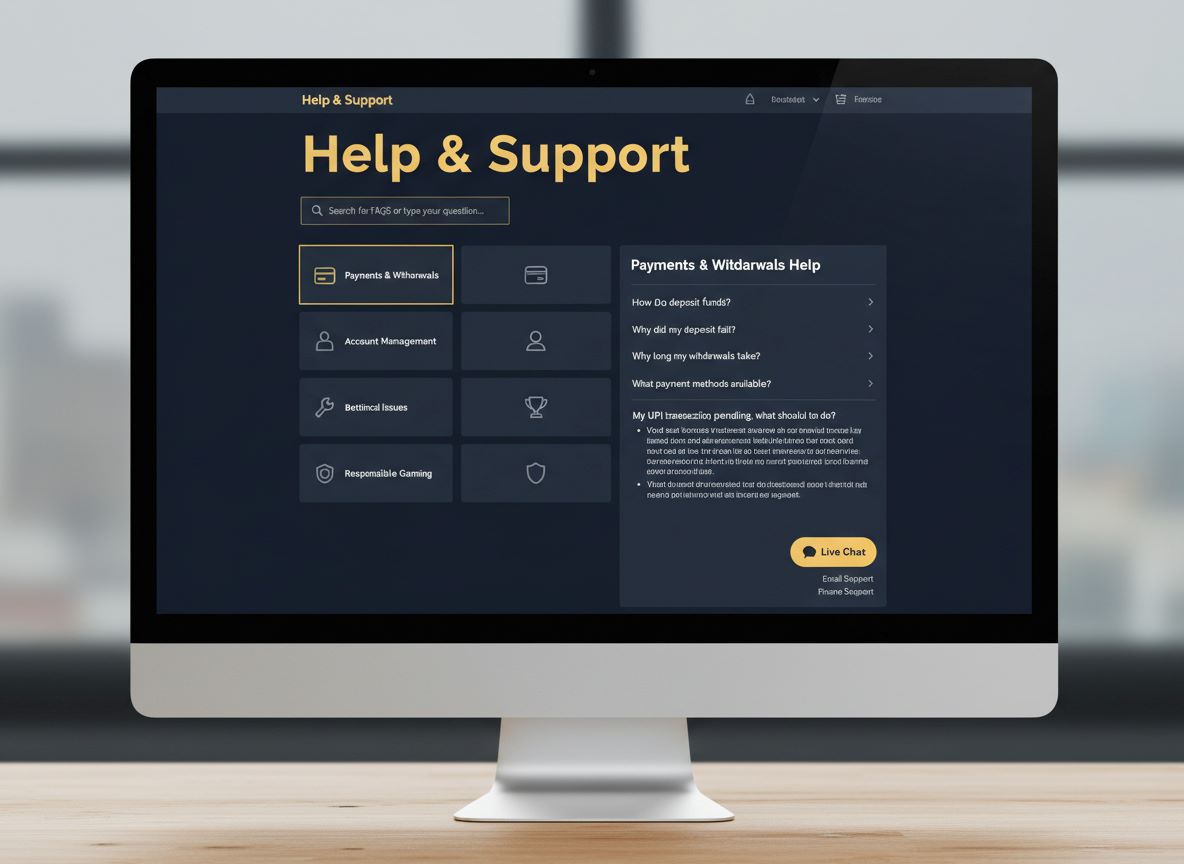
Payment failures can be incredibly frustrating, especially when you’re dealing with time-sensitive transactions like EMI payments or utility bills. India’s digital payment ecosystem, built around the Unified Payments Interface (UPI) and managed by the National Payments Corporation of India (NPCI), processes millions of transactions daily through various banking partners and payment apps like Google Pay, Paytm, and PhonePe.
This comprehensive guide will walk you through the essential steps to resolve payment issues effectively, from understanding different types of payment failures to knowing exactly when and how to contact the right support channels. We’ll cover the crucial checks you should perform before reaching out for help, provide specific contact information for major providers, and explain the proper escalation process to ensure your payment issues get resolved within the regulatory timelines set by the Reserve Bank of India.
Understanding Payment Issues in India
Payment issues in India’s digital ecosystem typically fall into two main categories: genuine payment failures where no money is debited from your account, and situations where money is deducted but the transaction appears unsuccessful. Understanding this distinction is crucial because it determines the appropriate course of action and expected resolution timeline.
Failed transactions can result from various technical glitches, insufficient account balance, or network connectivity issues during the payment process. These failures usually show an immediate error message, and no amount is debited from your account. However, more complex scenarios involve successful debits from your account while the beneficiary doesn’t receive the funds, creating a frustrating situation that requires proper documentation and follow-up.
Common causes include server downtime during peak hours, especially during festival seasons when transaction volumes spike dramatically. Bank-specific technical issues, maintenance windows, and integration problems between different payment service providers can also lead to transaction failures that affect millions of users simultaneously across India’s vast digital payment network.
Failed Payments vs Debited Accounts
A true payment failure occurs when the transaction is declined before any money leaves your account, typically accompanied by an immediate error message explaining the reason for failure. These situations don’t require extensive follow-up since your account balance remains unchanged and you can simply retry the transaction after addressing the underlying issue.
Debited account scenarios are more concerning because money has been deducted from your account but hasn’t reached the intended recipient. According to RBI guidelines, such transactions should be automatically reversed within T+1 working days (next working day), though banks are allowed up to 48 hours for complex inter-bank transactions. If reversal doesn’t occur within this timeframe, it becomes necessary to contact customer support with proper documentation.
Common Causes in UPI Transactions
- Network connectivity issues during transaction processing, particularly common in areas with poor internet infrastructure or during heavy network traffic periods
- Incomplete KYC documentation or expired identification documents linked to your payment app, which can trigger automatic transaction blocks
- Daily, weekly, or monthly transaction limits being exceeded, especially for high-value payments or frequent small transactions that accumulate quickly
- Bank server maintenance or technical glitches affecting specific banks, which can impact all UPI transactions involving those banking partners
- Incorrect beneficiary details such as wrong UPI IDs, account numbers, or IFSC codes that cause automatic transaction rejections
- Security algorithm triggers that flag unusual transaction patterns or payments to new beneficiaries, resulting in temporary blocks for verification
Checks Before Contacting Support
- Wait for the mandatory 48-hour period for automatic reversal, as most debit-without-credit scenarios resolve automatically within this RBI-mandated timeframe
- Check your bank passbook, mobile banking app, and SMS notifications thoroughly to confirm whether money was actually debited from your account
- Verify transaction status in your payment app’s transaction history section, looking for specific error codes or status messages that can help identify the issue
- Cross-verify with the beneficiary to confirm whether they received the payment, as sometimes delays in notification systems create confusion about transaction status
- Take screenshots of all relevant transaction details, error messages, and account statements as these will be essential for filing a complaint
- Ensure your payment app is updated to the latest version and check for any app-specific notifications about ongoing technical issues or maintenance
- Confirm that your registered mobile number and email address are active and accessible, as support teams will use these channels for communication and verification
Verify Transaction Status
Comprehensive transaction verification involves checking multiple sources to get a complete picture of what happened during your payment attempt. Start by examining your primary bank account statement through mobile banking or internet banking platforms, then cross-reference this information with your UPI app’s transaction history and any SMS notifications received during the transaction window.
Look for suspicious patterns that might indicate fraud, such as multiple failed attempts from your account that you didn’t initiate, or successful transactions to unknown beneficiaries. If you notice any unauthorized activity, treat this as a security issue rather than a standard payment failure and contact your bank’s fraud prevention team immediately along with filing a police complaint if necessary.
When to Contact Support
| Trigger | Wait Time | Urgency | Action |
|---|---|---|---|
| No auto-reversal after 48 hours | 48-72 hours | Medium | Contact payment app support |
| Failed EMI or loan payment | Immediate | High | Call bank helpline and lender |
| Government payment failure | 24 hours | High | Contact NPCI and ministry helpline |
| Large amount stuck (>₹50,000) | 24 hours | High | Escalate to bank manager |
| Utility bill payment deadline | 12 hours | Medium | Multi-channel contact |
The timing of your support contact depends heavily on the nature and urgency of your payment. For routine transactions without immediate deadlines, waiting the full 48-hour reversal period is advisable since most technical glitches resolve automatically without human intervention, saving you time and effort in the complaint process.
High-Urgency Scenarios
Certain payment failures require immediate attention regardless of standard waiting periods, particularly those involving loan EMIs where delays can impact your credit score or result in penalty charges. Similarly, government payments like tax submissions, vehicle registrations, or exam fee payments often have strict deadlines that cannot be extended due to technical issues.
Investment-related payments, insurance premium renewals before policy lapse, and time-sensitive bill payments for essential services like electricity or gas also warrant immediate escalation. In these cases, contact multiple support channels simultaneously and clearly explain the urgency to expedite resolution within the critical timeframe.
Escalation Timelines
The Reserve Bank of India has established a 30-day maximum timeline for resolving payment-related complaints, with specific intermediate milestones that banks and payment service providers must meet. Most routine issues should be resolved within 7-10 working days, while complex inter-bank transaction failures may take up to 15 working days for complete resolution.
If your complaint remains unresolved after 30 days, or if you’re unsatisfied with the resolution provided, you have the right to escalate to the RBI Ombudsman scheme, which provides an independent review mechanism for payment-related grievances at no cost to consumers.
Contact Channels for Major Providers
| Provider | Helpline | App/Chat | Hours/Languages | |
|---|---|---|---|---|
| Google Pay | 1800-419-0157 | In-app chat support | [email protected] | 24/7, Hindi & English |
| Paytm | 0120-4456-456 | 24/7 chat & callback | [email protected] | 24/7, Multi-language |
| PhonePe | 080-6812-1111 | In-app help center | [email protected] | 24/7, Regional languages |
| NPCI (UPI) | 1800-102-5624 | Website form only | [email protected] | 9 AM-6 PM, English |
| Bajaj Finserv | 020-3957-5152 | WhatsApp & web chat | [email protected] | 8 AM-8 PM, Hindi & English |
| India Post Payments | 1800-266-6868 | Mobile app support | [email protected] | 9 AM-6 PM, Multiple languages |
| Amazon Pay | 1800-419-7355 | Amazon app chat | [email protected] | 24/7, Hindi & English |
When choosing your contact method, consider the urgency of your situation and your comfort level with different communication channels. Phone support typically provides the fastest initial response and allows for real-time clarification of complex issues, while email support creates an automatic paper trail that can be valuable for escalation purposes.
Many payment apps now offer sophisticated in-app support systems that can access your transaction history directly, making them highly effective for routine payment failure resolution. These systems often provide instant automated solutions for common problems and can escalate complex cases to human agents seamlessly.
Regional language support is particularly important when dealing with complex financial issues where nuances matter significantly. Most major providers now offer support in Hindi along with English, while some extend this to regional languages like Tamil, Telugu, Bengali, and Marathi depending on their user base concentration in specific states.
NPCI and UPI-Specific Support
The National Payments Corporation of India serves as the central authority for UPI-related issues that cross multiple payment service provider boundaries. Their helpline (1800-102-5624) specifically handles complex inter-bank transaction failures, system-wide technical issues, and cases where individual payment app support teams cannot provide resolution due to technical limitations.
NPCI support is particularly valuable for high-value transaction failures, cases involving multiple failed attempts across different apps, or situations where you suspect broader system issues affecting UPI infrastructure. Their email support at [email protected] provides detailed technical analysis and can coordinate with multiple banks simultaneously to resolve complex payment routing issues.
Step-by-Step Contact Process
- Gather all relevant transaction information including UPI transaction ID, reference numbers, timestamp details, and beneficiary information before initiating contact with support teams
- Choose the most appropriate contact channel based on urgency and complexity, with phone support for immediate issues and email for complex cases requiring detailed documentation
- Clearly explain the issue in the first contact, providing specific error messages, transaction amounts, and timeline details to avoid multiple back-and-forth communications
- Request a complaint reference number immediately and note down the agent’s name or ID for future reference and escalation tracking purposes
- Follow up within the promised timeline if no resolution is provided, escalating through proper channels rather than repeating the same complaint multiple times
- Maintain detailed records of all communications including dates, times, agent names, and promised actions to support potential regulatory complaints if needed
- Confirm resolution by checking your account balance and transaction status, then verify that any promised reversals or credits have been processed correctly
The quality of your initial complaint significantly impacts resolution time and success rate. Support teams handle hundreds of similar cases daily, so providing clear, specific information helps them identify the exact issue quickly and apply the most appropriate solution without unnecessary delays or misunderstandings.
Information to Prepare
- UPI transaction ID or reference number, typically a 12-digit alphanumeric code generated for each transaction attempt, successful or failed
- Screenshot of the failed transaction from your payment app showing error messages, timestamps, and transaction amounts clearly visible
- Bank account statement showing the debit entry if money was deducted, including transaction date, time, and reference number from banking records
- Beneficiary details including UPI ID, account number, or mobile number to help support teams trace the transaction path and identify routing issues
- Your registered mobile number and email address associated with the payment app for verification and communication purposes during the resolution process
- Details of any previous related complaints or support interactions, including reference numbers and promised resolution timelines for pattern analysis
Choosing the Right Channel
Phone support works best for urgent issues requiring immediate attention, such as EMI payments or large amount failures where time is critical. The real-time interaction allows for immediate clarification of complex technical details and enables support agents to access multiple systems simultaneously to provide comprehensive solutions.
Email support is ideal for complex cases involving multiple transactions, suspected fraudulent activity, or situations requiring detailed technical analysis and documentation. This channel creates an automatic audit trail that becomes invaluable if escalation to regulatory authorities becomes necessary, and allows you to attach multiple screenshots and supporting documents in a single communication.
Resolution and Escalation
| Level | Timeline | Contact Method | Next Step if Unresolved |
|---|---|---|---|
| Payment App Support | 24-48 hours | App chat, helpline, email | Escalate to bank customer care |
| Bank Customer Care | 3-7 working days | Bank helpline, branch visit | Contact NPCI support team |
| NPCI Resolution | 7-15 working days | NPCI helpline and email | File RBI ombudsman complaint |
| RBI Ombudsman | 30-60 working days | Online portal, written complaint | Legal proceedings if warranted |
The escalation process follows a structured hierarchy designed to resolve most payment issues at the earliest possible level while providing clear pathways for complex cases that require higher-level intervention. Each level has specific expertise and authority to resolve different types of payment problems, from simple technical glitches to complex inter-institutional coordination issues.
Most payment disputes resolve successfully at the payment app or bank level, particularly when proper documentation is provided and the issue falls within standard technical failure categories. However, complex cases involving multiple financial institutions or suspected system-wide issues may require NPCI intervention to coordinate resolution across different platforms and banking partners.
The RBI ombudsman scheme represents the final level of institutional escalation available to consumers, providing an independent review mechanism for cases where financial institutions fail to provide satisfactory resolution within regulatory timelines. This service is provided free of charge and carries significant authority to enforce resolution decisions on financial institutions operating in India’s payment ecosystem.
Tracking Your Complaint
Effective complaint tracking begins with maintaining a detailed log of all interactions, including complaint reference numbers, agent names, promised action timelines, and specific commitments made by support representatives. Most payment service providers now offer online complaint tracking portals where you can monitor progress and receive automated updates as your case moves through different resolution stages.
Regular follow-up is essential but should be strategic rather than excessive, typically aligning with the promised timeline provided by support teams. If no updates are received within the committed timeframe, escalate to the next level rather than repeatedly contacting the same support channel, as this approach is more likely to yield faster resolution while avoiding potential delays caused by confusion between multiple simultaneous complaint threads.